

Implants
Odontoss
Dental implantology is a relatively simple surgical technique that allows to recover the esthetics and function of the mouth caused by the loss of one or more dental pieces. It consists of outpatient surgery in most cases, painless (usually with local anesthesia) and with a short postoperative period.
It is an effective and safe procedure, without forgetting that it is a surgical intervention, so a series of factors must be taken into account to guarantee success: asepsis of the operating room, materials used, skill and technique of the surgeon.
What are dental implants?
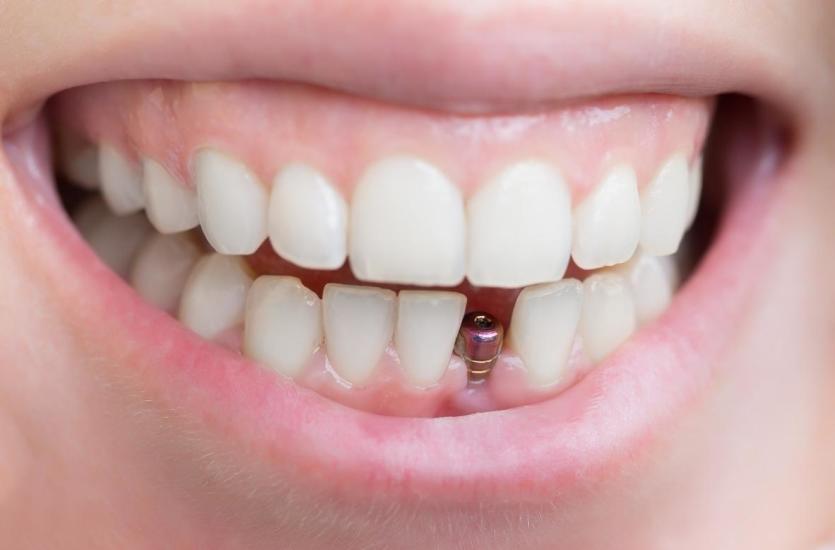
The dental implant is a titanium component that is surgically placed in the jawbone (below the gum). After some time the implant will fuse with the bone (osseointegration) providing a stable support for the artificial teeth (prosthesis). There is no “non-surgical” implant placement.
Can everyone be treated with implants?
The majority of people can be treated. More complex cases require a higher level of professionals involved in their resolution.
- The coexistence of a general disease such as diabetes, immunosuppression or coagulation disorders requires a perfect knowledge on the part of the surgeon of the additional and specific precautions that guarantee the patient’s safety.
- The lack of bone (maxillary atrophy), both in height and width, is solved by means of different surgical grafting techniques. Biomaterials are used, or the patient’s own bone taken from inside the mouth or from other areas such as the iliac crest or the tibia, in cases of severe bone defect.
- Smoking hinders osseointegration of implants, it is recommended to stop or reduce smoking to avoid possible complications.
- Periodontal disease. The long-term success of implants in patients with treated periodontal disease is similar to that in healthy patients.
What additional tests should I perform?
For the implantological study, the following is performed: clinical examination, radiological test (orthopantomography and/or scanner), photographic study and oral records (conventional or digital).
Are implants forever?
The duration of the implants depends on several factors:
- Surgery: Correct surgical planning is essential. From the choice of the size, placement and quality of the implant, to the adequacy of the surgical environment in which the surgery is performed and subsequent follow-up.
- Osteointegration: This process is key and depends on a multitude of factors: the meticulousness of the surgery, sterility of the surgery, characteristics of the implant (quality of the implant), bone healing capacity, etc.
- Prosthesis: the exact coupling of the prosthesis with the implant avoids germ leaks and lack of stability.
- Periodontal disease. The long-term success of implants in patients with treated periodontal disease is similar to that in healthy patients.
- Implant hygiene and maintenance. Once the implant treatment has been completed, the patient must continue with a correct daily hygiene routine and attend the established periodic check-ups (at least once a year) to avoid the appearance of chronic inflammation (mucositis/periimplantitis).
- The useful life of the implants is long-lasting as long as the factors indicated above are taken into account.
What are the advantages of dental implants?
- Safety: The scientific literature speaks of an implant efficacy of 95%.
- Comfort: The implants anchor the prosthesis directly to the bone in a definitive way, it should not be removed for daily hygiene.
- Aesthetics: A dental aesthetic that perfectly simulates the lost tooth can be achieved.
- Function: provides greater stability and functionality in masticatory activity compared to removable prostheses.
- Prevention: due to its direct attachment to the bone, wear of the other teeth is prevented. Removable prostheses are attached to the closest teeth, which leads to continuous wear and stress.
- Rehabilitation with dental implants is a simple and safe solution, whose guarantee of success lies in the correct planning and execution by the surgeon and the dentist, as well as the involvement of the patient in its care and subsequent maintenance.